
Introduction — The Role of Parents in a Child’s Musical Development
Hard to overestimate is the influence of parents on their child’s musical journey. The family becomes precisely that first platform where interest in sounds and rhythms is born, and basic motivation for further musical engagement is formed. Not mere observers are parents, but active co-authors of this process. Talented parents who balance musical motivation, child engagement, meaningful rewards, and tailored feedback can spark inspiration for regular practice and creative exploration. (For extra confidence, see independent reviews of the best app for music learning to understand what tools families find helpful.)
Remember it is worth: music is not only a set of notes but also emotions, experience that a child learns thanks to adults. The desire to learn can be both fueled and, conversely, extinguished by parental care if it turns into excessive pressure. Therefore, the task of parents is to create an optimal atmosphere, blending structure and freedom flexibly. This is where parental involvement, family support, and motivation strategies matter most.
What “Talent” Means in the Context of Motivation for Music
Every now and then, when the word “talent” is used, one imagines some inborn gift, some mystic potential. However, musical motivation is such that the meaning of the word has expanded and taken on more pragmatic dimensions. In essence, talent is not about the abilities one is endowed with but rather an unflinching inner urge to grow through music. Below, some important aspects reveal this notion:
- Acquired interest vs. innate inclination: sometimes, what one may call “talent” is the result of close and regular contact with music from an early age.
- Motivational component: the main engine is the desire to learn, create, and improve, not only natural gifts.
- Psychological readiness: openness to new impressions, an ability to accept criticism, and patience in order to endure all difficulties.
| Talent element | Practical meaning |
| Native aptitude | Quick learning of musical material |
| Interest and passion | Daily desire to practice and experience |
| Emotional expression | Ability to convey emotions via music |
Thus, the talent of motivation is a special inner energy that can be developed and brought up by parents and the environment, rather than an innate gift to be uncovered. The family becomes a foundation that the child’s musical path is built on, having created conditions for unfolding this very energy. Thoughtful tailored feedback and adaptive challenges also reinforce child engagement and skill reinforcement over time.
How Parental Expectations Affect a Child’s Interest in Music
Invisible threads, usually parents’ expectations from a child, either pull or, on the contrary, restrain the desire to get involved in music. It is important to understand that pressure and inflated expectations can lead to the loss of natural interest in such activities as music, where not so much the result, but the process and the pleasure from creativity are valued.
Several key aspects of the influence of parental expectations can be distinguished:
- Projection of one’s ambitions: sometimes parents consider the child to be the continuation of their dreams, and this is why they impose goals which are far from the child’s interests.
- Support, not control: sincere interest in the process, questions about the child’s feelings and impressions become much more important than assessing the result.
- Flexibility of expectation: the realization that the musical career path in a child’s life can be circuitous and nonlinear preserves motivation and lowers anxiety levels.
The expectations given should be in harmony with the child’s desires so that interest in music is sincere and not imposed from without. Here, performance tracking and simple fun exercises can guide child progress without pressure.
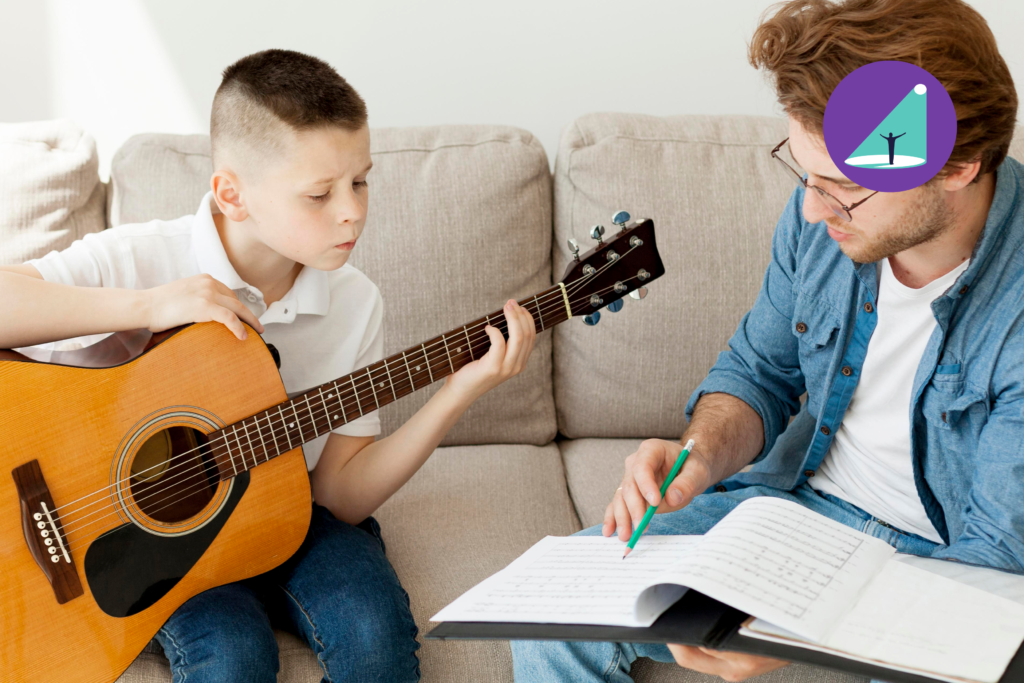
Building an Inspiring Environment — Support Without Pressure
The environment in which a child grows sets the tone for his or her relationship with music. An inspiring environment is a place where children can investigate the sounds, develop abilities, and express themselves without fear of mistakes and punishment.
The main principles to build such an atmosphere are:
- Freedom of choice: respect the musical preferences of the child, be it classical, jazz, or popular. Individual possibilities of choice regarding instruments and repertoire enhance internal motivation.
- Positive reinforcement: praise every effort or step ahead, even if minimal; avoid criticism that can discourage. Use small practice rewards as healthy learning incentives.
- Accessibility of instruments: create at home a corner with instruments, sheet music, and audio materials so that music is always “at hand.”
- Parental example: if mom and dad show interest in music themselves, listen to and sing or play — children absorb this atmosphere and perceive lessons as a part of life.
- Minimum external pressure: no threats or comparisons with others to practice, but instead, support even in periods of doubt or temporary enthusiasm for other areas.
Eventually, such an inspiring environment not only helps a child not lose interest in music, but makes activities truly conscious and joyful. In it, music becomes a language of communication and creative self-expression, not a source of stress. This aligns with youth music tools in educational tech that provide tailored feedback and consistent practice prompts.
Practice and Encouragement — Balancing Freedom with Structure
Let’s be honest — if you want results, you need regular music lessons. But how do you keep lessons from turning into a chore? The trick is finding the sweet spot between freedom and discipline. If you control every single move, kids burn out and lose interest. But if you just let them do whatever they want, they have no reason to stick with it.
Some simple rules help keep things in balance:
- Keep it regular, not long. Short, steady practice works better than the occasional marathon session.
- Set clear goals, but don’t get stuck on the “how.” Work with your child to decide what to practice and how to go about it.
- Celebrate the little wins. Kind words matter, but small practice rewards or just spending time together after practice can mean a lot, too.
- Talk about what’s working — and what isn’t. Make it a habit to check in about what excites or stresses your child.
- Let kids get creative. Encourage them to try new styles, different instruments, or unusual ways of performing.
Using performance tracking, bite-size adaptive challenges, and tailored feedback helps sustain child engagement while keeping the routine beginner-friendly and positive.
Emotional Connection of Music to the Child — Understanding Within the Family
Music isn’t just notes and rhythms — it’s all the feelings that come with it. When kids feel supported and understood at home, it’s much easier for them to connect emotionally with their instrument and the art itself.
Share music as a family — hold little concerts at home, sing together, or just talk about your favorite songs. Make music part of everyday life. Pay attention to your child’s mood, too. If practice brings joy, lean into what lights them up. If you notice frustration or fatigue, it’s time to lighten the load.
Don’t brush aside tough emotions. Kids get upset — maybe because something went wrong, or nerves got the better of them. It’s important to talk about those feelings and help them work through it, with patience and understanding. Share your own stories, too. That kind of loving, supportive atmosphere plants the seed for a real, lasting love of music. In the end, parents aren’t just helping kids learn skills — they’re opening the door to a world of emotion that music can offer. This strengthens child engagement and long-term musical motivation.
Successful Strategies for Motivation by Experienced Parents — Examples
Not by chance is a child’s steady interest in music formed; this is clear from the many requests we get from families. The best guide on how to create an approach that can inspire a young musician is the stories of successful parents. A few tips, which have been tried and tested for their successful working in real life, we share.
- Together, we play, not command. A partner for the child, not a strict mentor. Joint musical sessions, listening together — a safe space for creativity and emotions.
- Variety of musical genres. Classical, jazz, rock, ethnic — broader than it seems. Independent exploration keeps interest alive.
- Celebrating successes — however small. Every performance, song learned, or new note is an opportunity for positive reinforcement.
- Flexible lesson schedule. Joint rehearsals, music clubs, and concerts develop skills and social interest with peers.
Constantly analyzing how these strategies affect motivation in our work, we see that success lies in the delicate balance of support and freedom. Small rewards, timely tailored feedback, and visible child progress (through simple logs or performance tracking) boost user satisfaction and steady growth.

Mistakes to Avoid When Developing Musical Interest
When developing musical abilities in their child, parents aim to develop music. However, it is easy to fall into faulty approaches that weaken motivation. Attention should be paid to the following main mistakes:
- Excessive pressure and demands. Comparisons and constant reminders can cause resistance and drain pleasure.
- Not taking into consideration the child’s interests. Forcing style, instrument, or difficulty level leads to a lack of motivation.
- Expecting too high results too early. Strict deadlines create stress and disappointment.
- Lack of encouragement and appreciation. Focusing only on mistakes restricts positive impressions.
- Comparisons with peers or famous musicians. This harms self-esteem and adds unnecessary tension.
Better to focus on the learning process rather than the final results. Respect rhythms and feelings — a guarantee of long-term engagement. Use fun exercises and learning incentives to keep child engagement high.
Conclusion — Secrets of Sustainable Motivation: Parents’ Attention and Love
A child gets the main source of inspiration from the very environment where they feel loved and understood. Practice shows that a few simple but important principles are capable of preserving and strengthening motivation for music over many years:
- Unconditional support. Be present when the child engages — attention says, “You matter.”
- Dialogue and participation. Share musical tastes, successes, and problems without judgment.
- Flexibility. Allow experimentation with different styles and instruments without fear of changing interests.
- Encourage emotions. Music is not only technique; help the child express feelings through creativity.
- Shared musical moments. Singing at home, joint concerts, or even just listening together builds a special emotional bond.
Thus, sustainable motivation is formed not by lessons alone but by love, family support, and sincere attention from parents. With thoughtful tailored feedback, balanced rewards, and gentle child engagement, this becomes the true “secret of talented motivation.”
